


Introduction
A kitchen is more than a place to prepare food. It is a workspace, a gathering point, and often the heart of a home. Having the proper equipment makes cooking safer, easier, and more pleasurable. Choosing the right Kitchen Essentials is not about buying everything on the shelf — it is about selecting items that support efficiency, comfort, and creativity in daily routines.
Instead of chasing trends or unnecessary gadgets, a smart kitchen focuses on purpose-driven tools that simplify tasks and improve consistency.
Understanding What Truly Counts as Essential
Not every product marketed for the kitchen deserves space in your cabinets. Essentials are items used frequently and across multiple cooking activities. These tools reduce preparation time, improve safety, and deliver reliable performance.
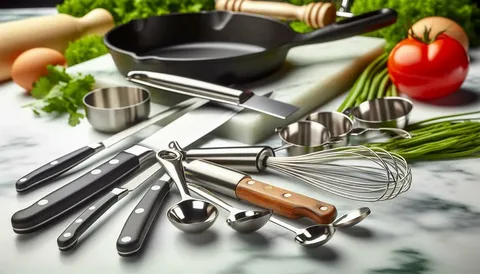
Examples include durable cutting boards, reliable knives, measuring tools, heat-resistant cookware, and storage solutions that preserve freshness. The goal is to create a system that supports both quick meals and more detailed recipes without clutter or frustration.
A well-chosen collection of Kitchen Essentials encourages confidence and reduces unnecessary stress while cooking.
Organization as the Foundation of Efficiency
An organized kitchen saves time and prevents mistakes. When tools have designated locations, workflows become smoother and safer. Drawer dividers keep utensils accessible. Stackable containers optimize cabinet space. Clear labeling avoids confusion.
Smart organization also improves hygiene by separating raw food tools from ready-to-use items. This protects food quality and reduces contamination risks.
Efficiency does not require expensive furniture upgrades — simple layout planning and consistent storage habits make a noticeable difference.
Cookware That Supports Everyday Versatility
Versatile cookware forms the backbone of any kitchen. A sturdy frying pan handles sautéing, frying, and reheating. A medium saucepan supports sauces, grains, and soups. A large pot manages batch cooking and family meals.
Material selection impacts durability and heat distribution. Quality construction ensures even cooking and long-term reliability. Choosing a limited number of high-quality pieces often performs better than owning many low-quality items.
Kitchen Essentials should adapt to multiple recipes rather than serving only one purpose.
Cutting Tools That Enhance Safety and Precision
Sharp knives improve accuracy while reducing hand strain and accident risk. A small utility knife, a chef’s knife, and a bread knife cover most cutting needs. Stable cutting boards prevent slipping and surface damage.
Maintaining sharpness through proper storage and occasional honing extends lifespan and preserves cutting efficiency. Safety improves when tools respond predictably during use.
Good cutting tools transform preparation from a chore into a smooth, controlled process.
Measuring and Timing for Consistency
Consistent results depend on accuracy. Measuring cups, spoons, and kitchen scales ensure reliable proportions. Timers help avoid overcooking and undercooking while managing multitasking.
These small tools often go unnoticed, yet they directly influence flavor balance, texture, and presentation. Precision builds confidence and reduces wasted ingredients.
Among Kitchen Essentials, measurement tools deliver invisible value that compounds over time.
Storage Solutions That Preserve Freshness
Food quality depends on proper storage. Dry items are shielded from moisture and vermin by airtight containers. Refrigeration containers extend produce life and maintain flavor. Freezer-safe storage supports meal planning and reduces waste.
Clear containers simplify inventory management, preventing forgotten items from expiring. Efficient storage improves budgeting and supports healthier eating habits.
Good storage practices maximize both freshness and organization.
Cleaning Tools That Maintain Hygiene
A clean kitchen protects health and extends equipment lifespan. Quality sponges, dish brushes, microfiber cloths, and drying racks simplify daily maintenance. Trash separation systems support responsible waste management.
Easy access to cleaning tools encourages immediate cleanup, preventing buildup and odor issues. Clean environments also improve motivation and enjoyment during cooking.
Hygiene remains a core component of functional Kitchen Essentials.
Adapting Essentials to Lifestyle Needs
Every household cooks differently. Some prioritize speed, others creativity, and some family volume. Essentials should match cooking frequency, dietary habits, and available space.
A small apartment kitchen benefits from compact multi-purpose tools. A family kitchen requires durable high-capacity cookware. Home bakers prioritize measuring accuracy and mixing equipment.
Customization ensures that tools serve real behavior rather than imagined usage.
Sustainability and Smart Purchasing
Long-lasting tools reduce waste and long-term costs. Choosing quality materials minimizes replacements. Reusable storage decreases disposable packaging reliance.
Supporting responsible manufacturers contributes to environmental protection while maintaining performance standards. Mindful purchasing aligns financial efficiency with ecological responsibility.
Sustainability strengthens the long-term value of Kitchen Essentials.
Creating a Kitchen That Supports Creativity
When tools function reliably, creativity flourishes. Cooks feel comfortable experimenting with recipes, flavors, and techniques without fear of failure caused by poor equipment.
A well-equipped kitchen encourages skill development, shared meals, and personal satisfaction. Confidence grows through consistency and positive outcomes.
Tools become partners in daily creativity rather than obstacles.
Final Thoughts
Kitchen Essentials are not defined by quantity, brand, or trend — they are defined by usefulness, durability, and adaptability. A thoughtfully selected kitchen setup saves time, reduces stress, improves safety, and supports creativity across everyday cooking needs.
By focusing on functionality, organization, sustainability, and personal lifestyle alignment, any kitchen can become an efficient, enjoyable space that supports long-term satisfaction and consistent results.

 Arabic
 French
 Spanish
 Portuguese
 Deutsch
 Turkish
 Dutch
Dutch
 Italiano
 Russian
 Romaian
 Portuguese (Brazil)
 Greek
Greek